


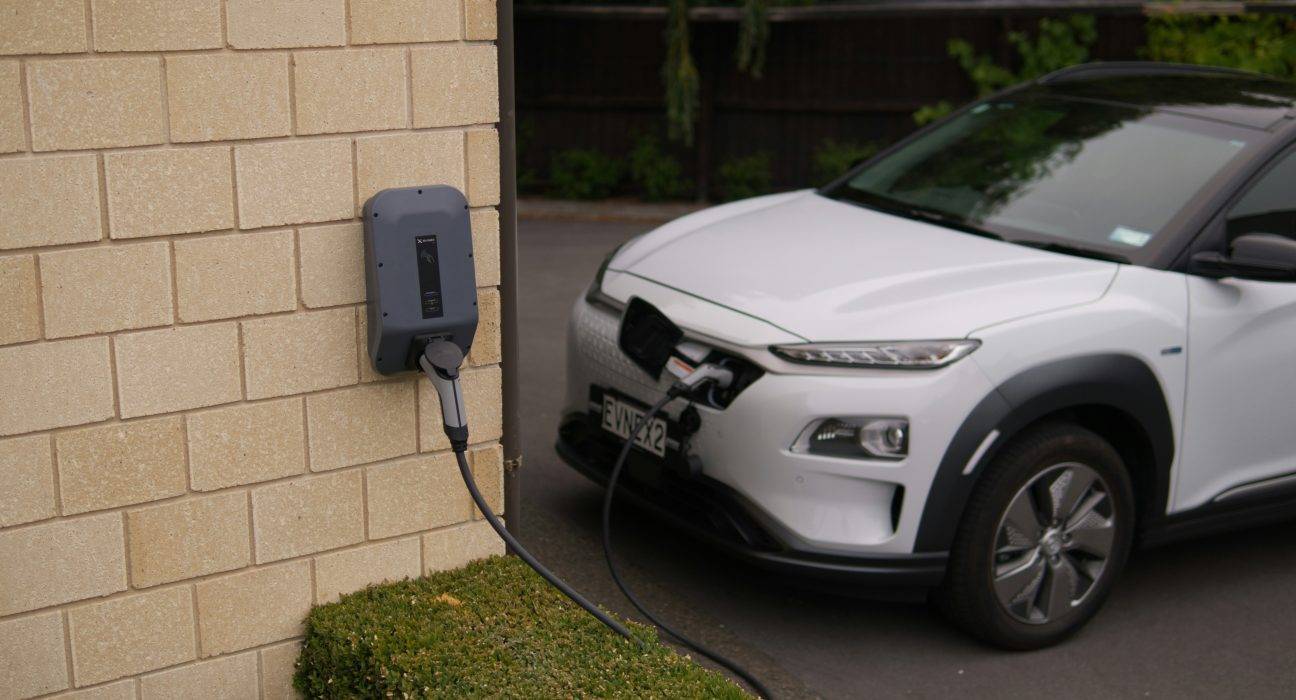
Whether it’s semi-autonomous driving or building a better battery, Canada is positioned as a world leader in sustainable, connected manufacturing and changes are coming down the pipeline fast!
By Rohit Narayan Sholingur
Canada’s auto scene looks nothing like it did a few years ago, and it’s changing fast. By the end of 2026, cars here aren’t just getting us where we need to
but they’re transforming into smarter, cleaner, and more connected machines than most people expect. Picture electric vehicles zipping down every block. Hybrids and partially autonomous cars pull up at charging stations, juiced up with long-range batteries, running on software that updates overnight. Even the way we build cars gets cleaner every year.
But it’s not just about showing off the latest gadget. Canadians want cars that make life easier ; fun to drive; simple to use and gentler on the environment. The government is pushing things along with real incentives, smarter regulations, and serious investments. Suddenly, electric and semi-autonomous cars aren’t just a bold idea: they’re becoming the norm. Auto manufacturers feel the pressure too. They’re racing to launch new models people actually want to drive, built for daily life, not just showroom floors. Regardless of whether you live in a big city like Toronto or a small New Brunswick town, your driving experience will be completely different – cleaner, safer, and far more technological.
So, grab a double-double, fasten your seatbelts and let’s get moving and take a look at five trends that will revolutionise the way Canadians drive, charge, and cruise in 2026 and beyond.
1. Electric vehicles: mainstream now
It is no longer a niche anymore. According to Transport Canada, the federal government has set interim goals of 20% by 2026 and 60% by 2030 for all new light-duty cars to be zero-emission by 2035. Automakers are responding by increasing the number of EV cars available.
In Canada, 2026 will witness exciting models like the Chevrolet Blazer EV, 2026 Nissan LEAF, the Cadillac LYRIQ, and Toyota’s bZ-series electric SUVs. Experts forecast that sales of EVs could reach 15–20% of new car sales by 2026, a major growth from around six percent in 2024.
Rebates still provide some help, but things have shifted. The federal government’s incentives for Zero-Emission Vehicles (iZEV) program for light-duty EVs is currently on hold, but the incentives for the Medium and Heavy-Duty Zero Emission Vehicles (iMHZEV) program still supports medium- and- heavy-duty vehicles until March 2026. Rebates differ by province. Québec’s ‘Roulez Vert’ continues with smaller rebates. Atlantic provinces like Nova Scotia and Newfoundland & Labrador have smaller programs depending on the type of vehicle used. Despite these differences, better battery ranges, EVs that work in winter, and more charging stations make EVs a useful option for drivers in Canada.
What’s actually driving this shift is attitude. More and more Canadians are ready to go electric because they can actually see EVs that meet their budget and lifestyle. Whether family SUVs or city runabouts, the options are growing fast. With better battery ranges and winter-driving capability, the barriers that once discouraged EVs are falling one by one. For further trend info about EVs, be sure to check our Electric Avenue column elsewhere in this issue.
2. Smarter, semi-autonomous driving
Autonomous tech is slowly making its way onto Canadian roads. Transport Canada’s Safety Framework for Connected and Automated Vehicles 2.0 provides a framework for testing and operating autonomous vehicles safely. Already, companies like Magna and Gatik are piloting autonomous delivery trucks in Toronto and other cities to see how these trucks work in real-world conditions.
Level 2 and Level 3 automated vehicles will probably hit the roads in Canada by the end of 2026. Level 2 systems, such as adaptive cruise control with lane centering, regulate speed and steering, but drivers still need to pay attention. In some circumstances, Level 3 enables the vehicle to drive itself, allowing the driver to temporarily divert their attention. Improvements such as these should increase safety and lessen stress for Canadian drivers particularly in urban areas.
Beyond convenience, this technology potentially makes roads safer. In the view of most Canadian transportation experts, most accidents are caused by human error, and so the introduction of automation diminishes those hazards. Partial hands-free driving on mapped roads is already available on some Canadian luxury cars. As more manufacturers employ similar technologies, semi-autonomous driving could be as routine as Bluetooth or backup cameras.
3. Batteries that last longer, charge quicker
Right now, batteries are undergoing a significant change. Compared to the outdated lithium-ion batteries, solid-state batteries offer superior safety, range, and charging speed. These are more than just catchphrases. In the midst of things, Canadian producers and researchers are testing these batteries and trying to improve the practicality and dependability of EVs.
Thanks to government funding, it is now possible to find high-speed charging facilities in numerous locations, such as highway service areas and even within residential areas. Those who drive electric vehicles are now able to rapidly recharge their EVs and resume their journey avoiding extensive waiting periods. As a result of improved batteries combined with accelerated charging, the concern regarding your vehicle’s energy depletion is gradually becoming less of an issue. At last, EVs seem like a viable, practical option for day-to-day living.
One of the most hopeful developments is the research that Canadian tech companies and universities are pursuing regarding second-life application and recycling of batteries. Instead of ending up as waste, retired EV batteries can be utilized for energy storage or utilized as feedstock to produce new products. These technologies are not only preventing waste but rendering EV ownership long-term sustainable in character and continuing Canada’s green pace.
4. Cars are powered by software
Cars are not just metal and motors now—they’re becoming increasingly computers on wheels. Software-defined cars utilize advanced software to control everything from navigation to safety and entertainment. Toyota Canada’s Arene platform, for instance, forms the basis for their advanced driver-assist capabilities and connectivity and over-the-air updates that keep your car getting better even after you buy it.
What’s nice about this? Vehicles can actually get better as time goes on. Think of fresh features, a boost in performance , and even getting a heads-up about upkeep before you even need to visit the shop. Software will be a standard feature in most new vehicles by 2026, providing Canadian motorists with more convenience and control than ever.
The rise of software-based systems also turns your car into a part of your digital life. Synchronization with your phone, voice assistants, and even home appliances will become second nature like never before. Automakers are no longer racing on horsepower anymore—but on user experience. Expect more personalization, app integration, and AI-based features that turn your car into an extension of you.
5. Greener manufacturing
Sustainability isn’t only what the vehicles are constructed from—it’s how they’re built as well. Canada’s Electric Vehicle Availability Standard (EVAS) is working to increase the number of zero-emission vehicles on roads and put pressure on manufacturers to go green. Natural Resources Canada reports car makers are cutting carbon emissions while building cars, recycling materials, and manufacturing batteries domestically to minimize their footprint.
It’s a circle-of-life approach: from production, right through recycling, every step is more environmentally friendly. And that’s simply good news for the world – and for Canada’s status as a world leader in sustainable car manufacturing.
In fact, Canadian factories are leading the way in sustainable innovation. Automaker giants such as GM, Ford, and Stellantis are investing billions to retrofit factories for EV production using renewable power. Certain factories are even hoping to achieve carbon neutrality by the end of the decade. In 2026, “Made in Canada” will no longer mean just quality—it’ll mean sustainability too.
Conclusion
So, what does all this mean if you’re driving in Canada? By 2026 and beyond , hopping into your car won’t feel like it used to. Cars are going electric, picking up some brains, and leaving a lighter footprint on the planet. Picture this: you’re heading to work in the morning, but your car’s the one dealing with the bumper-to-bumper mess. You just sit back and let the tech handle it. Charging up? It’s way simpler now, with more places to plug in and better options all around. And all those annoying trips to the mechanic? Forget them. Your car updates itself while you sleep. Even behind the scenes, things are different. From the way they build cars to how they take them apart; everything is cleaner and greener. Canada’s right on the verge of something huge here, and that is the chance to lead the way in car innovation. So, come 2026 and beyond, our highways won’t just be about getting from A- to- B. They’ll be about driving that’s cleaner, smarter, and let’s be honest, a whole lot more enjoyable