

By Sean Maddox
Anyone who spends long hours on the road — truck drivers, road crews, delivery drivers, or anyone who loves a long drive — has seen it. Garbage along the highways. Broken equipment. Pieces of plastic, tires, and construction debris scattered along the roadside.
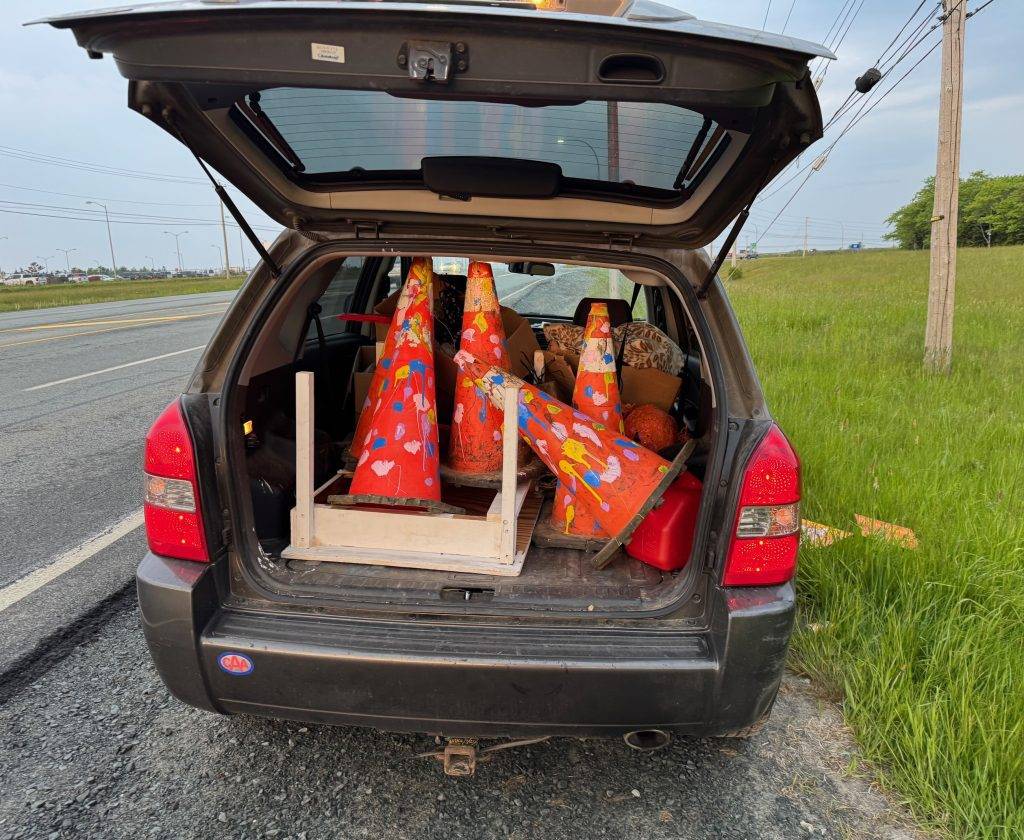
During a long road trip across North America in 2024, I began to see that waste differently. What many people see as trash, I started to see as art materials.
Along thousands of kilometres of highway, I noticed just how much debris eventually finds its way into ditches, rivers, streams, and wetlands. Instead of simply shaking my head and driving past it, I started imagining what could be done with it.
That idea turned into sculpture.
Since that trip, I’ve been collecting discarded roadside materials and transforming them into artwork. Some of the sculptures call attention to the dangers faced by road workers — something everyone in the transportation industry understands well. Others take on more playful forms: birds with feathers made from old tires and traffic pylons, and even the occasional fish assembled from items found along the roadside.
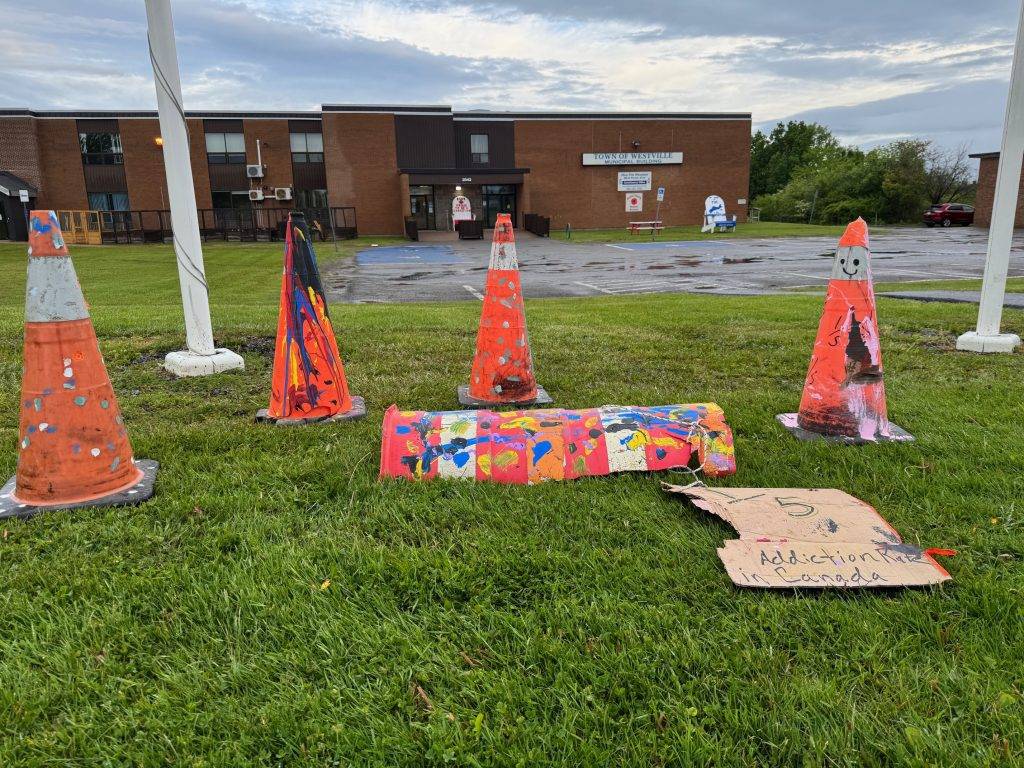
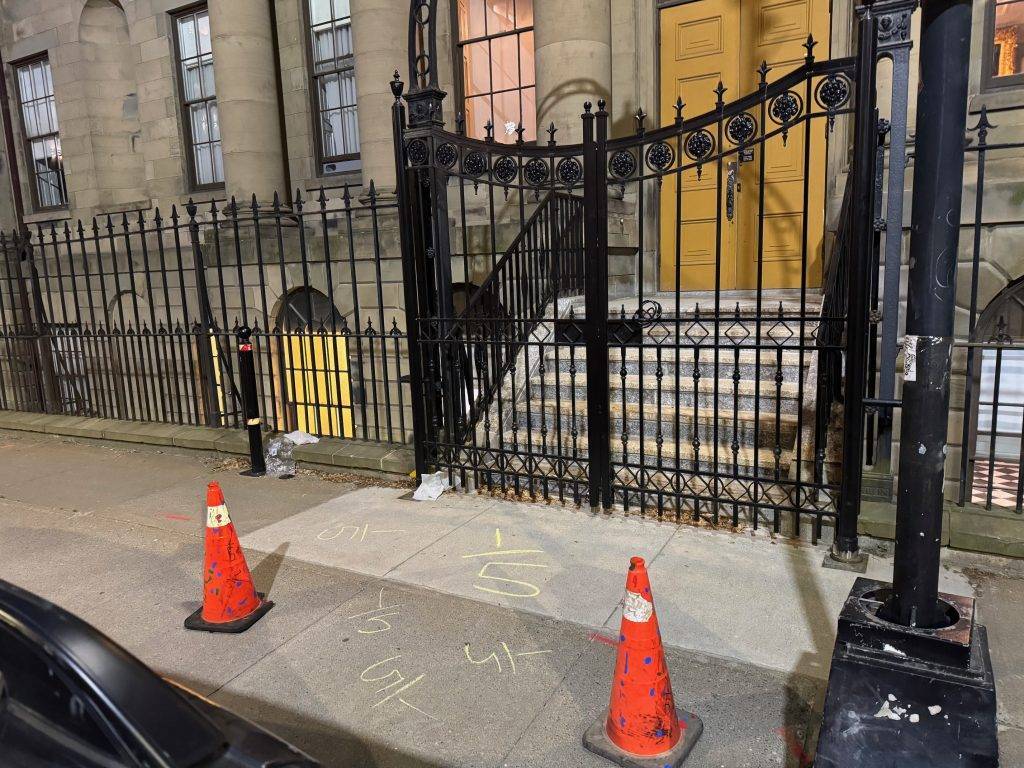
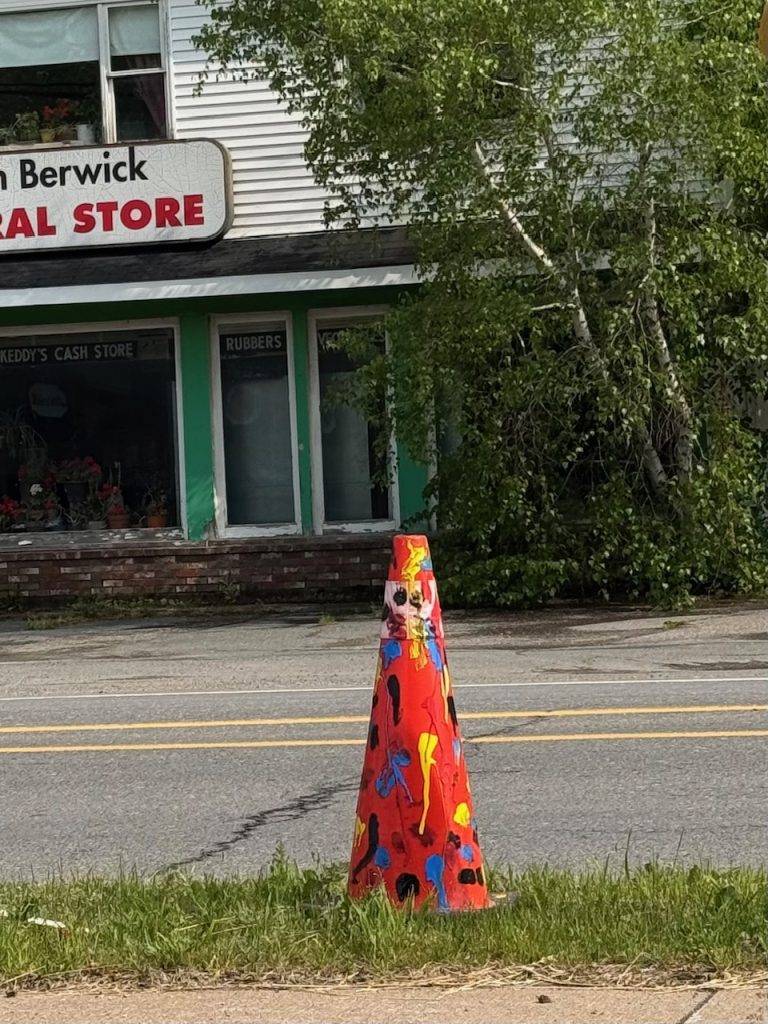
But the pieces I’m most proud of are what I call my “pylon people.”
Traffic pylons are everywhere. They’re simple, recognizable, and they already carry an important visual message: caution.
When I find discarded or broken pylons, I repaint them so they’re clearly different from the ones actively being used for road safety. Then I sometimes attach small signs with simple messages:
Canada’s addiction rate is one in five.
Mental health matters.
Addiction kills.
Our elected officials have bad math.
That last message often makes people stop and ask questions.
What do I mean by bad math?
In Nova Scotia, like many places in Canada, governments generate significant revenue from alcohol, gambling, and cannabis. Those industries are often defended as supporting small businesses, creating jobs, and contributing to government revenue.
But the other side of that equation is addiction and mental health.
When governments profit from industries that can contribute to addiction, they should also be investing heavily in prevention, treatment, and mental health services. Too often, that investment doesn’t keep pace with the need. In some cases, funding is reduced or fails to grow even as addiction rates rise.
Nova Scotia’s addiction rate is already higher than the national average. Yet mental health and addiction services continue to struggle with limited resources and long wait times.
That’s the bad math.
So here’s a simple proposal.
As spring arrives and the snow melts across the country, it will reveal the debris winter leaves behind — broken pylons, roadside trash, and discarded materials scattered along highways and streets.
Pick some of it up.
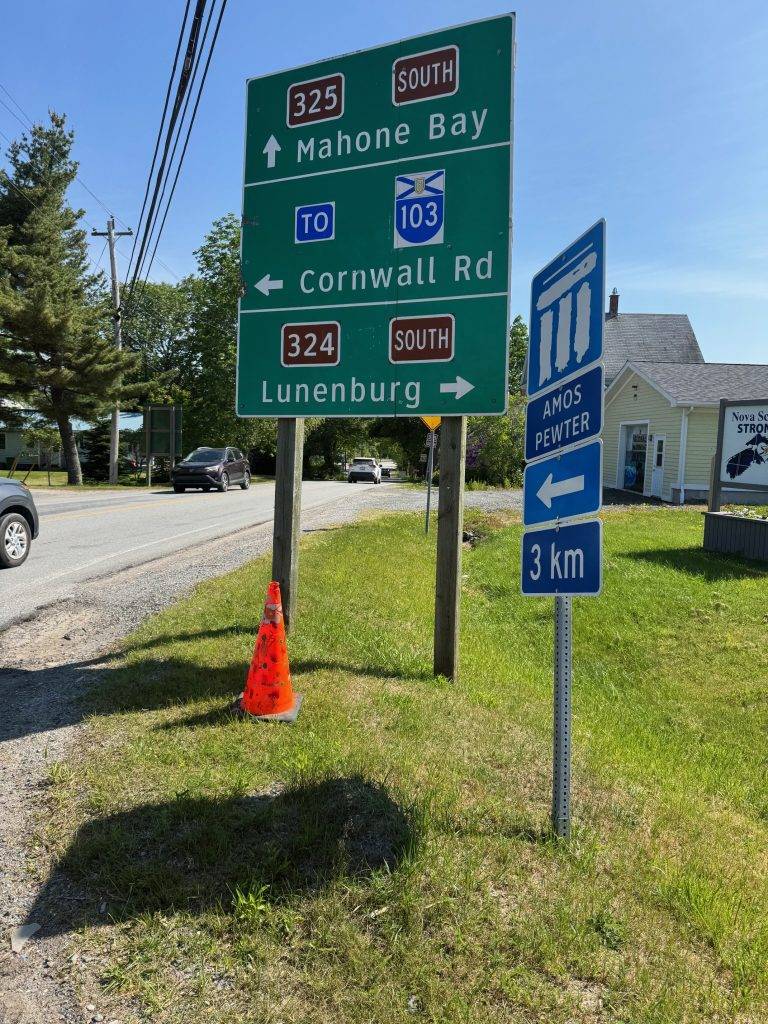
Paint a broken pylon. Turn it into your own “pylon person.” Place it somewhere visible — near your home, near a business, or back along the roadside where you found it.
It’s a small act of environmental cleanup, but it can also start a conversation.
Because the real issue isn’t just roadside garbage.
It’s the human cost of policies that balance budgets while too many families struggle with addiction and mental health challenges.
Budgets should never be balanced with the lives of girls and boys, men and women, and the families who care about them.